
AI Trading Software: Definition, Use Cases & How to Choose

This guide explains what AI trading software is and how it leverages machine learning and automated decision engines to analyze markets, scan news, and execute trades at speed. You’ll learn real-world use cases, key features to evaluate—data sources, signals, backtesting, automation, and risk controls—and a step-by-step path from idea to execution. It also covers how to choose the right platform based on strategy, integrations, costs, and governance so you can build reliable, scalable trading workflows.
Trading Bot Guide: Automate Strategy from Idea to Execution
This guide explains how a modern trading bot turns your strategy into precise, repeatable actions—executing 24/7 without hesitation. You’ll learn how bots monitor multiple markets, evaluate technical indicators or news in real time, size positions by volatility, and manage exits with trailing stops and portfolio rules. It also covers backtesting and how no-code tools like Obside let you describe your strategy in plain language, freeing you from screen-watching and missed entries while improving consistency.
Automated Trading: What It Is, How It Works & Start
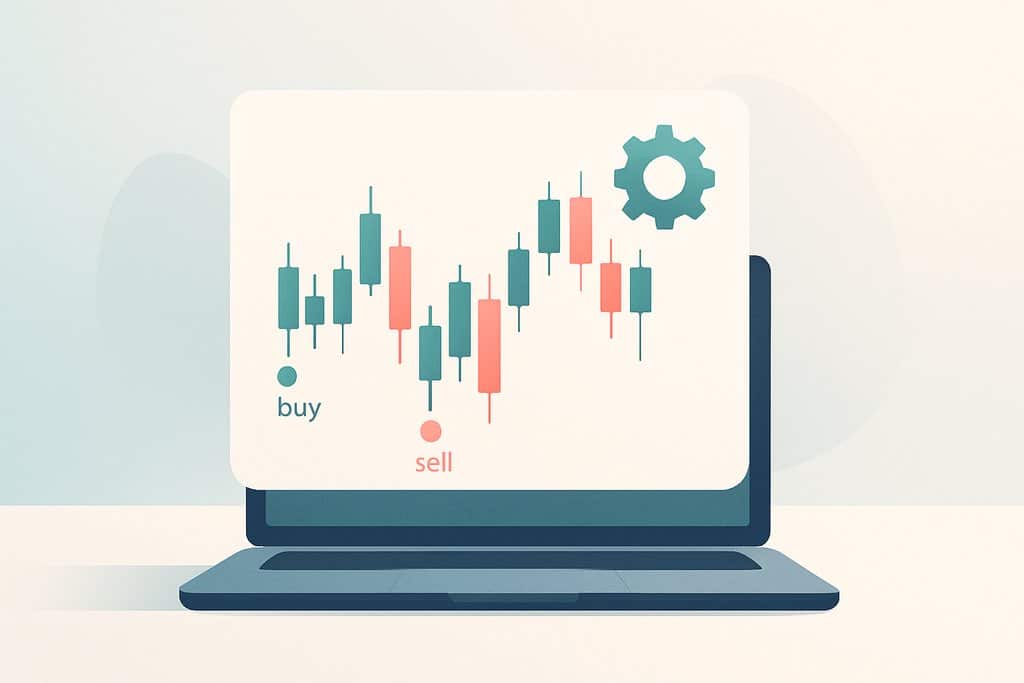
Automated trading uses predefined rules and software to execute trades instantly and consistently, removing emotional bias and missed opportunities. This guide explains what automated trading is, how signals and risk management work, and how to begin without writing code. You’ll learn how to turn rules into strategies, backtest and optimize them, and connect to brokers for fast, reliable order execution. Ideal for traders seeking discipline, speed, and scalability.
AI Trading: Turn Signals into Automated Market Actions

AI trading uses machine learning to turn market signals into automated actions across brokers and exchanges. This guide breaks down key concepts, from data prep and feature engineering to backtesting, paper trading, and live execution. You’ll learn practical workflows, tool choices, deployment options, and safety checks and fail-safes to move from idea to production quickly—without a research lab. We also outline risk management, monitoring, and what AI can and can’t do so you avoid hype and focus on real-world results.
Quantitative Trading: Build, Test, and Automate Strategies
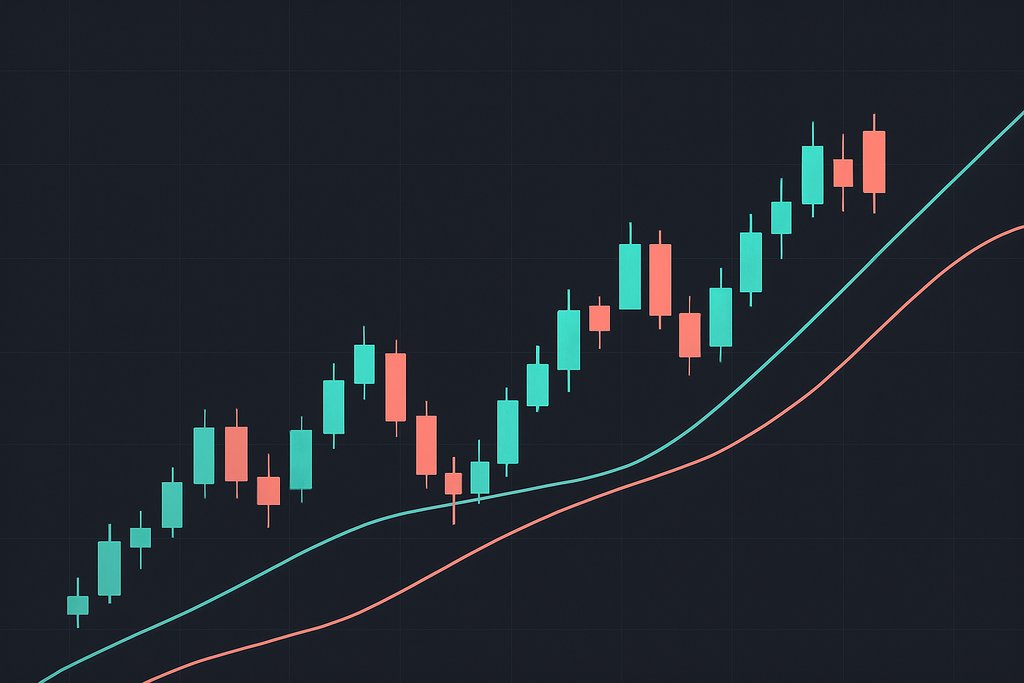
This guide explains quantitative trading as a systematic, data-driven approach that turns market data into rules-based signals and disciplined risk management. You’ll learn how to design robust strategies, backtest and validate them to avoid overfitting, and translate clear rules into automated execution pipelines using modern tools like Obside. Whether you’re a discretionary trader seeking to systematize an edge or an engineer exploring models, the article outlines core concepts, common pitfalls, and practical steps from idea to deployment so you can scale decisions, react in real time, and improve consistency.
AI Trading Bot: What It Is and How to Build One That Trades

This guide explains what an AI trading bot is, how it works, and what it can realistically do in live markets. You’ll learn how AI-driven systems analyze prices, news, and volatility, avoid common pitfalls like overfitting, and move from strategy idea to real execution without writing code. The article provides a practical framework to design, test, and deploy automated trading that’s more advanced than simple indicators, helping you build a disciplined, data-informed bot that actually places trades.
Types of Trading: Strategies, Styles, and Examples
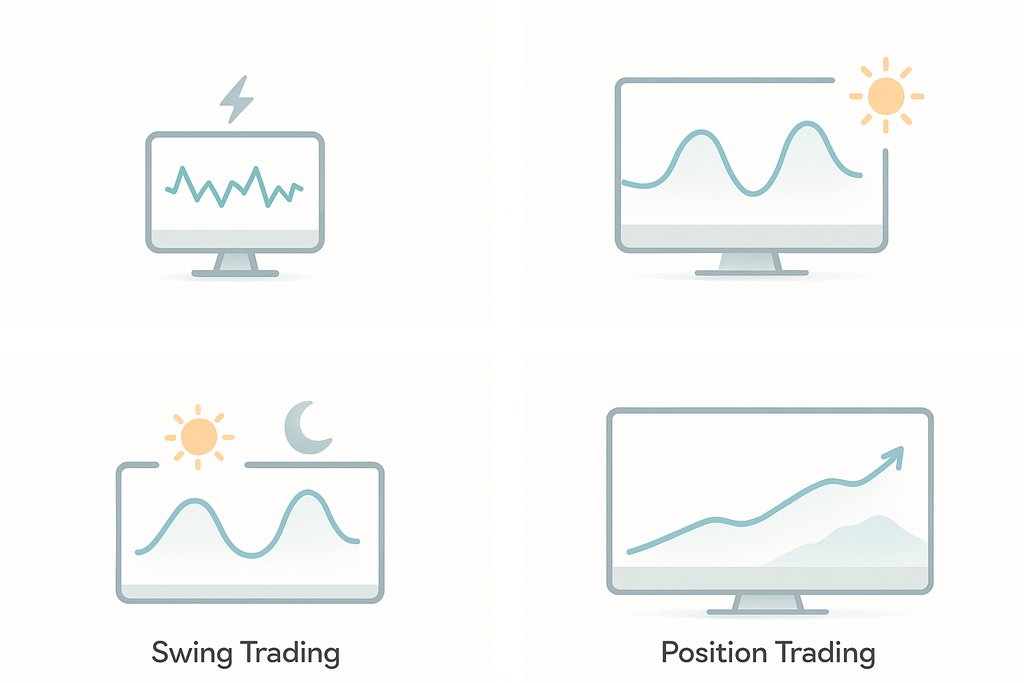
Searching for the right trading style? This guide maps the main types of trading by time horizon, decision style, and instruments—covering day, swing, position, and algorithmic approaches. You’ll learn how each style translates into daily actions, how to match strategies to your goals, time, and risk tolerance, how to run fast tests, and how to automate execution with tools like Obside, so your rules become clear, your process is consistent, and your results are easier to measure and improve with real, actionable examples.
Trading Strategy: Build, Test, and Automate Rules That Last
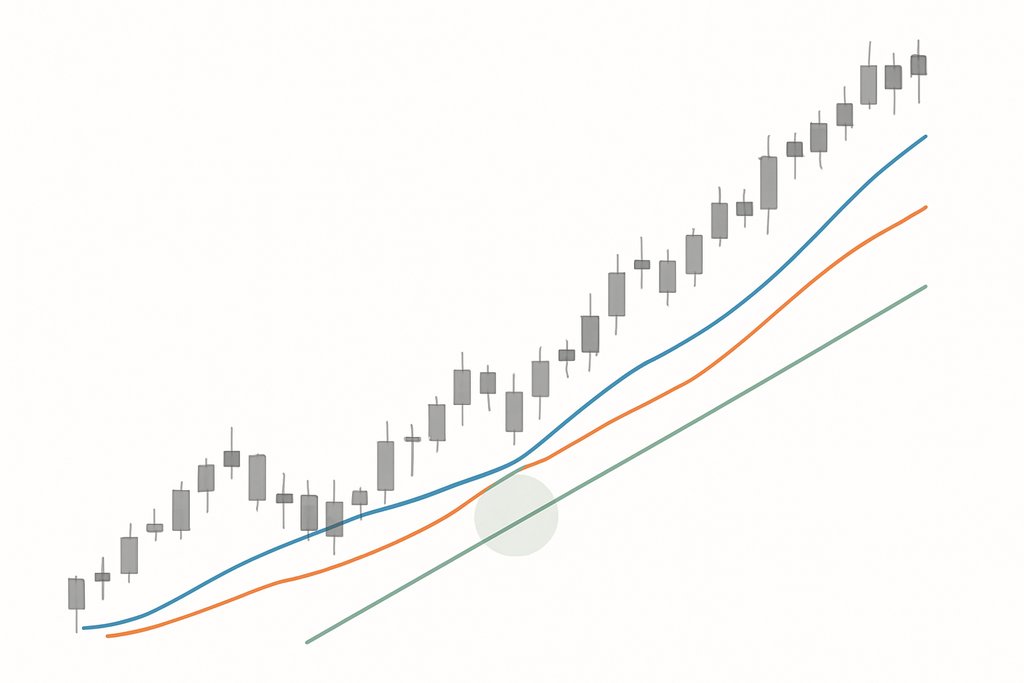
This guide explains what a trading strategy is and how to turn clear, testable rules into consistent market decisions. You’ll learn the key components of robust systems—entry and exit criteria, position sizing, risk management, and performance metrics—then follow a step-by-step process to design, backtest, refine, and automate your approach. We cover tooling, data hygiene, and common pitfalls so you can validate edge before risking capital and translate rules into real executions with automation. By replacing ad-hoc signals with a documented, repeatable framework, you can evaluate results objectively. Educational content only; not financial advice.