
10 Best Seeking Alpha Alternatives in 2026 (Free and Paid)
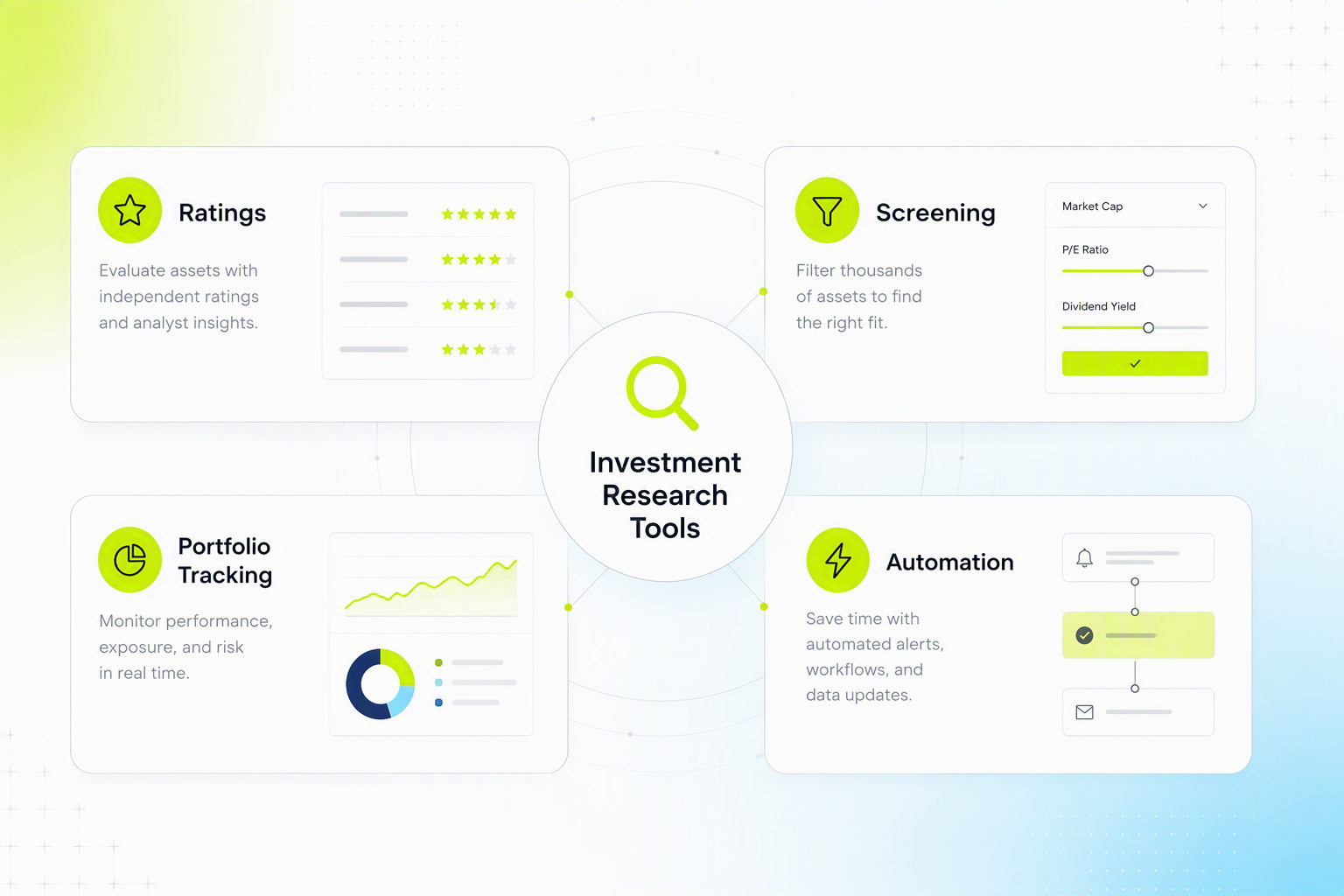
Seeking Alpha is built for reading research, not acting on it. Here are ten alternatives compared by the job they actually do: ratings, screening, portfolio tracking, and automation.
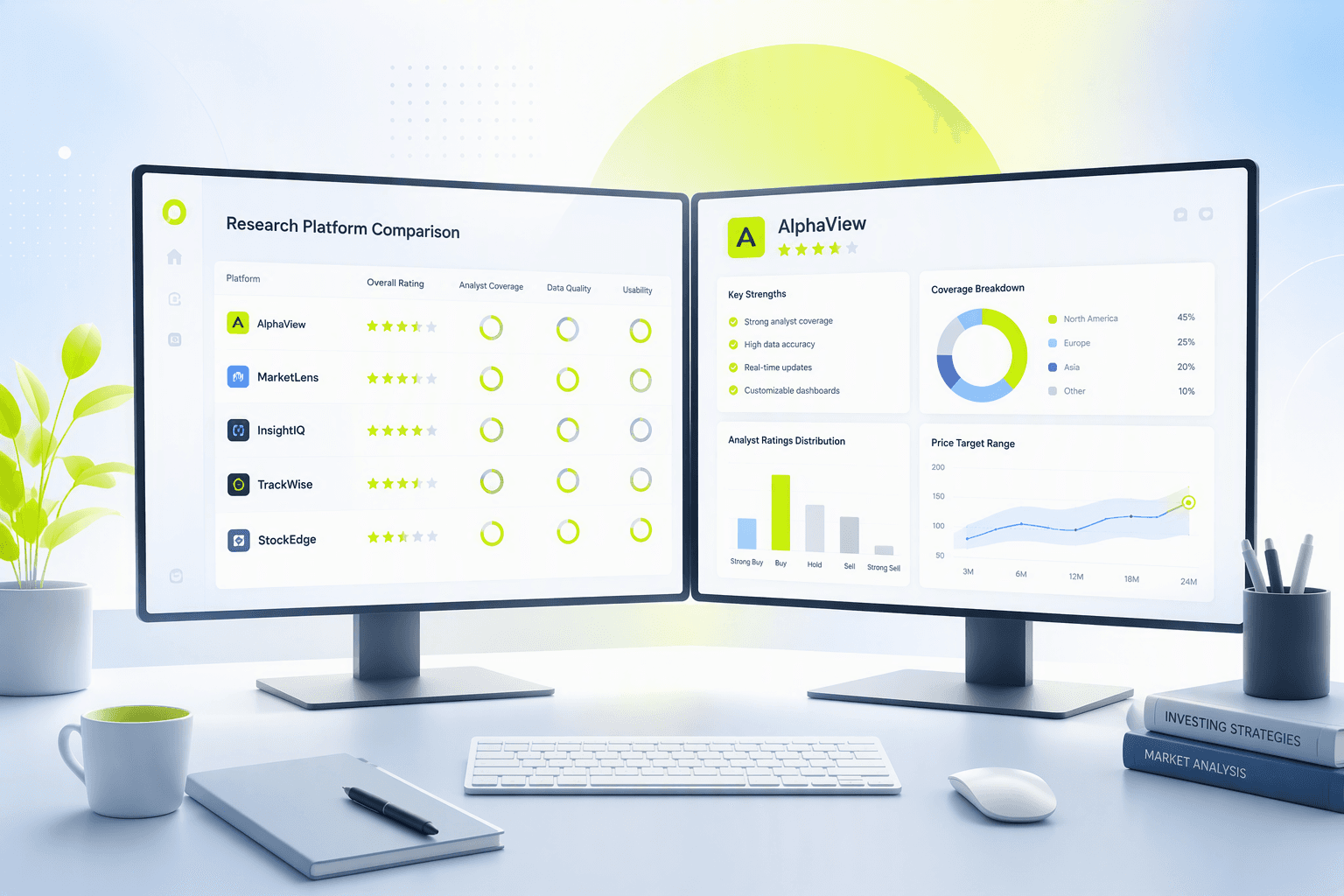
Seeking Alpha remains one of the largest crowd-sourced equity research sites, but it is not the right tool for everyone. Its Premium tier is listed from $239 per year (as of 2026-08-27), most actionable content sits behind that paywall, and the platform stops at the research stage: it tells you what contributors think, then leaves execution entirely to you. This guide compares the best seeking alpha alternatives by the job you actually hire the platform for, so you can replace one subscription with the right one.
Why investors look for Seeking Alpha alternatives
Three complaints come up again and again in cancellation threads. First, cost: the Premium price is hard to justify if you only read a handful of tickers. Second, signal quality: contributor articles vary wildly, and two authors will happily argue opposite theses on the same stock in the same week. Third, the gap between reading and doing: Seeking Alpha produces opinions, not actions. You still have to translate a bullish thesis into position sizes, entries, exits, and monitoring — manually.
That third point matters because it defines what "alternative" means for you. If you want more analyst ratings, you need one kind of platform. If you want to turn a thesis into rules that run without you, you need a different kind entirely. The list below is grouped accordingly.
Alternatives for analyst ratings and stock ideas
TipRanks aggregates sell-side analyst ratings and tracks each analyst's historical accuracy, which is the feature Seeking Alpha never quite offers: accountability. The free tier shows consensus ratings; deeper screens and top-analyst portfolios require a paid plan. Coverage thins out on small caps.
Zacks is the veteran quantitative research house. Its Zacks Rank system is driven by earnings-estimate revisions rather than contributor opinion, so the methodology is consistent across every covered stock. The writing is drier than Seeking Alpha's, which some investors consider a feature.
Motley Fool Stock Advisor sits at the opposite end: two picks per month, long-holding-period philosophy, aimed at investors who want a short list rather than a research firehose. You trade breadth for simplicity.
Morningstar remains the reference for fund and ETF research, with a fair-value framework for individual equities. If your portfolio is mostly funds, it replaces Seeking Alpha better than any stock-picking service.
Alternatives for data, screening, and charts
Stock Analysis (stockanalysis.com) has become the quiet favorite for clean fundamental data. Financial statements, ratios, and screening are free, with a Pro tier for exports and longer history. No opinions, just numbers — which is exactly why people like it.
Finviz is the fastest free screener on the market. The heat maps and preset filters are useful for idea generation even if you never pay for Finviz Elite.
TradingView dominates charting and community scripts. It is not a research site in the Seeking Alpha sense, but many former subscribers realize that what they actually used was the news feed and price alerts, and TradingView covers both with a more generous free tier.
Simply Wall St visualizes fundamentals as snowflake diagrams and flags valuation gaps. It suits investors who want a quick health check per stock rather than a 3,000-word thesis.
Ghostfolio deserves a mention for portfolio tracking: it is open source, self-hostable, and free if you run it yourself. It replaces Seeking Alpha's portfolio tab, not its research.
The automation gap: from reading research to acting on it
Here is the uncomfortable truth about every platform above, Seeking Alpha included: none of them closes the loop. You read a thesis, you agree with it, and then the work starts. You place the orders. You set the alerts. You remember to rebalance. Research platforms measure their success in pages read, not in whether your portfolio actually reflects your convictions.
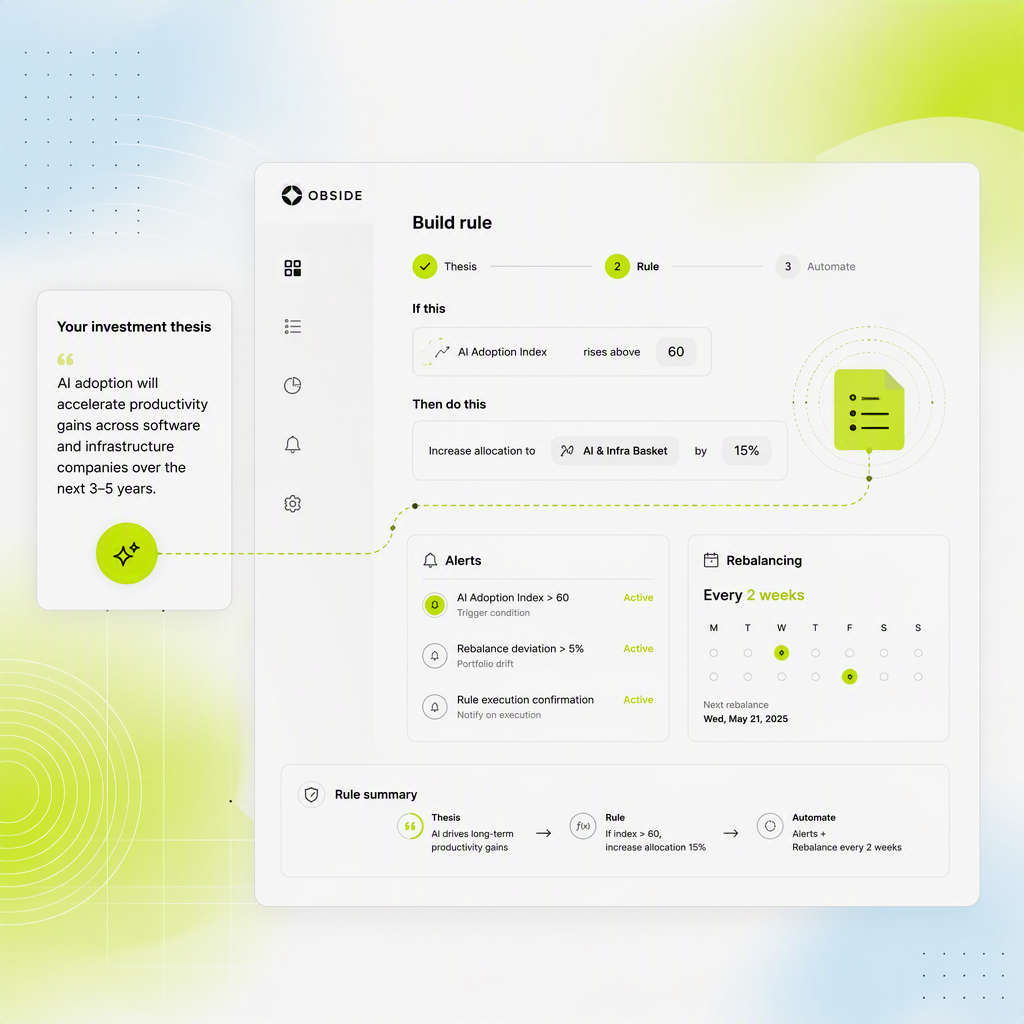
This is the job Obside is built for. Obside is a personal portfolio automation platform with an AI assistant: you connect a compatible broker, then describe what you want in plain language. The platform turns that into automated agents — persistent processes that watch markets and execute the rules you defined, around the clock, reacting to price levels, technical indicators, macro data, or news events (feature live as of 2026-08-27).
A concrete example. Suppose your research convinces you that you want semiconductor exposure, but only on pullbacks. On a research platform, that conviction becomes a sticky note. On Obside, it becomes a rule: an agent that buys a fixed slice when your chosen ETF drops a defined percentage from its 30-day high, with alerts pushed to you at each trigger. You can also build a custom ETF — a personal index of the stocks your research surfaced — with no management fee on top of your broker's standard costs, and rebalance it on a schedule instead of by memory.
Two honest caveats. Obside does not produce analyst ratings or contributor research, so it complements a data source rather than replacing one — pair it with a free screener like Finviz or Stock Analysis and you have both halves of the loop. And it automates your logic; it does not recommend trades. Every backtest you run before deploying an agent — the built-in engine replays a strategy against years of historical data with equity curve, drawdown, and win-rate breakdowns (as of 2026-08-27) — tests your idea, not someone else's.
Three replacement stacks, priced honestly
Abstract advice is easy; here is what actual replacements look like for three common profiles.
The reader. You subscribed for theses and market commentary, and you hold a dozen stocks long term. Replacement: Zacks or TipRanks free tiers for ratings, Stock Analysis for fundamentals, and your broker's news feed. Cost: zero. What you lose from Seeking Alpha Premium is the contributor debate format; what you gain is a consistent methodology and no paywall friction. If you find yourself missing long-form theses after a month, that is the signal Premium was actually earning its fee for you.
The screener. You used Seeking Alpha's quant grades to generate ideas, then did your own work. Replacement: Finviz for coarse screening, Stock Analysis Pro if you need exports and history, TradingView alerts to track the shortlist. Cost: roughly a third of a Premium subscription if you pay for one tool, zero if you stay on free tiers. Screening is the category where paying for research adds the least, because the data itself is commoditized.
The portfolio manager. You mostly used the portfolio tab, news on holdings, and the occasional rating check before rebalancing. This is the profile for whom the research subscription was always the wrong product. Replacement: Ghostfolio or Simply Wall St for tracking, plus an automation layer for the decisions themselves — scheduled rebalancing, dip-buying rules, alerts on holdings. This is where Obside replaces not just the tab but the manual follow-through, and where the spend shifts from reading about markets to acting on them systematically.
Most people are a blend, but identifying your dominant profile prevents the classic mistake: replacing a $239 subscription with $400 of tools that still do not place a single order.
How to choose: match the platform to the job
Start with what you actually did on Seeking Alpha last month. Be specific.
If you read ratings and quant grades, TipRanks or Zacks will feel like an upgrade because their methodologies are consistent and measurable. If you read news for your holdings, TradingView or a broker's native feed covers it for free. If you screened for ideas, Finviz and Stock Analysis do it without a paywall. If you tracked a portfolio, Ghostfolio or Simply Wall St handle it with better visuals. And if the honest answer is "I read a lot and acted on very little," the bottleneck was never research volume. It was the absence of a system that turns decisions into standing rules — which is the automation category, not the research category.
Budget-wise, a sensible 2026 stack costs less than one Seeking Alpha Premium subscription: free screening, free charts, and a paid automation layer only if you want execution. Test any paid platform on its trial period against one written-down question: "did this change what my portfolio actually did?" If the answer after two weeks is no, cancel and move down the list.
One last selection criterion that rarely makes the comparison tables: how a platform behaves when you stop paying. Research subscriptions leave nothing behind — cancel, and the theses you read are gone from your workflow. Data tools degrade gracefully, since the free tiers remain usable. Automation platforms sit in between: your strategies are yours, but execution stops with the subscription. Weight that switching cost by how deeply you intend to integrate the tool into your process, not just by the monthly price.
A closing note on methodology: this comparison deliberately avoids ranking platforms by review scores, because aggregate stars measure satisfaction with different jobs. A five-star screener and a five-star research service are not competing products, and the "best alternative" question dissolves once you name the job precisely. Whatever you choose, revisit the decision annually — pricing tiers, free-tier limits, and feature sets in this market shift quickly, and the stack that was optimal when you built it rarely stays optimal by default (observations current as of 2026-08-27).
Educational content only. This is not investment advice. Trading involves risk, including possible loss of capital.
FAQ
For raw data, Stock Analysis offers free financial statements, ratios, and screening. For charts and price alerts, TradingView's free tier is the standard. Neither publishes contributor theses, but combined they cover most of what casual Seeking Alpha users actually consume without the $239-per-year Premium price (listed as of 2026-08-27).